
Madeira in Autumn and Winter: 9 Reasons to Visit
There is an island where winter still feels remarkably like spring. With sunny days, walks through ancient forests, garden retreats, indulgent spas and restaurants made for lingering, Madeira reveals a different side when summer draws to a close. Come December, it also becomes one of Europe’s most memorable places to celebrate Christmas and New Year’s Eve.
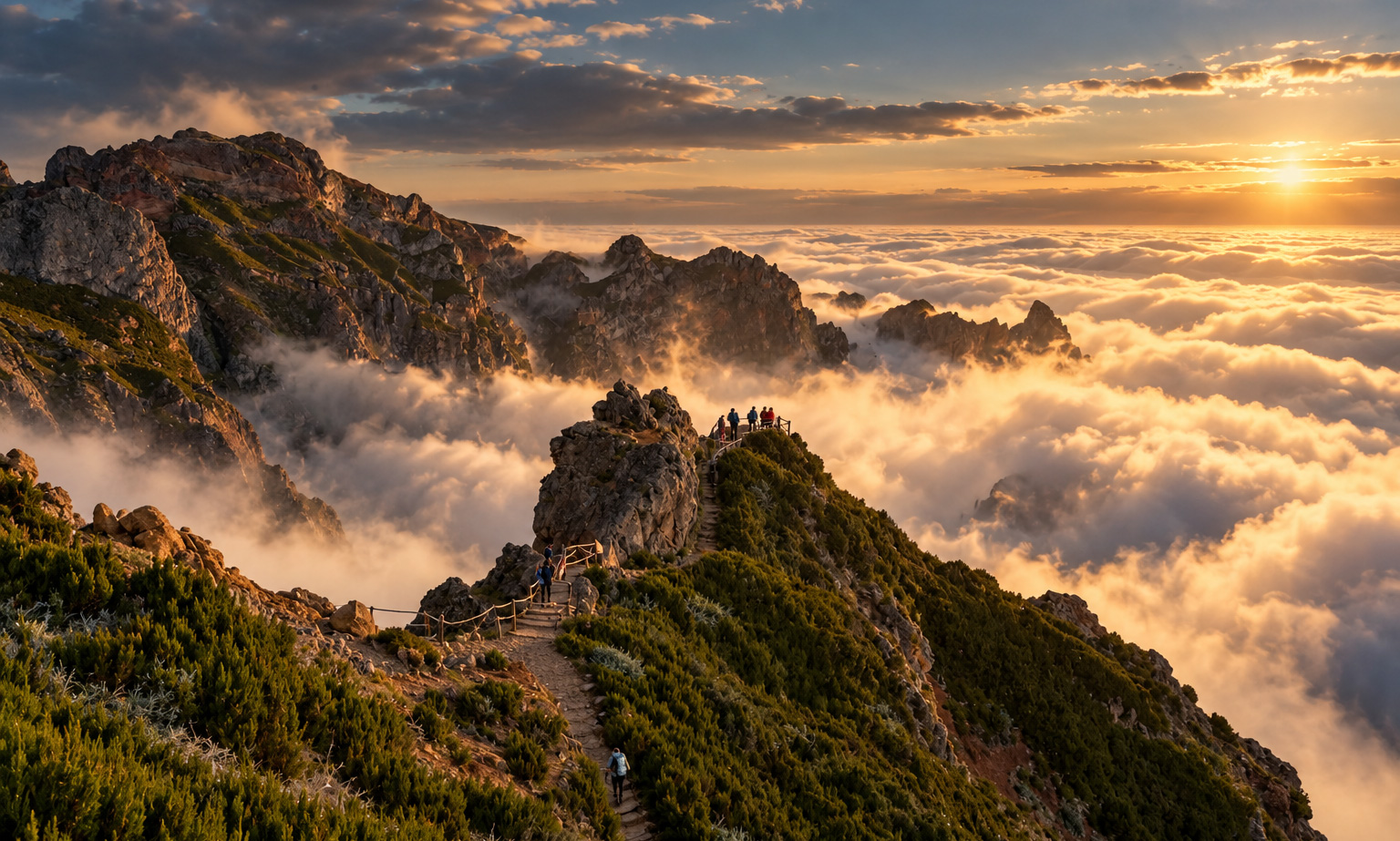
Madeira's subtropical climate keeps temperatures pleasantly mild for much of the year.
While much of Europe prepares for the colder months, life in Madeira continues outdoors. Lunch is served on sunlit terraces, the seafront invites an afternoon stroll and, on a particularly fine day, a swim in the Atlantic remains a tempting prospect.
The explanation is simple enough: Madeira’s subtropical climate keeps temperatures pleasantly mild for much of the year. Even in winter, average temperatures across the archipelago hover around 19°C, making it an appealing escape from the European cold.
But the weather is only part of the attraction.
The mountains disappear into drifting clouds, waterfalls gather strength after the rains and the ancient laurel forest takes on an almost otherworldly intensity. Meanwhile, the island’s gardens remain gloriously green.
Madeira also has a rare geographical advantage. In the space of a few kilometres, you can leave a sunny terrace in Funchal, drive through a mist-covered forest and find yourself back by the ocean in time for sunset.
Between October and March, there is another Madeira to discover: more contemplative, often quieter outside the festive season, yet every bit as rewarding.
From grand country-house hotels and intimate restaurants to dramatic coastal walks and Funchal’s extraordinary New Year’s Eve celebrations, here are nine reasons to visit Madeira beyond summer.
You can leave a sunny terrace in Funchal, drive through a mist-covered forest and find yourself back by the ocean in time for sunset.
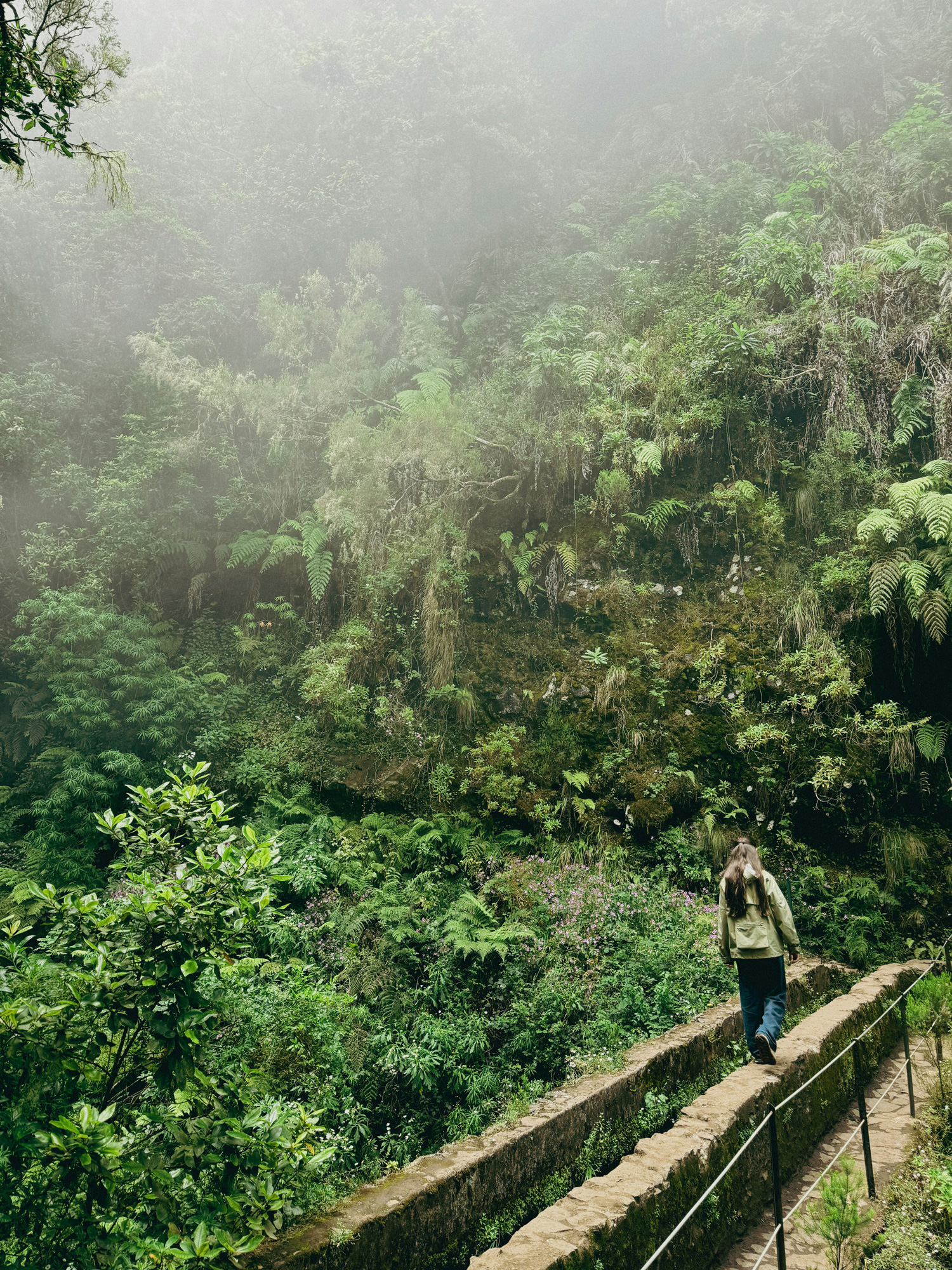
Levada walk ©Phil Aicken
The island's southern coast continues to enjoy bright, mild days that make outdoor living possible throughout much of winter.
1. AN ISLAND WHERE SPRING NEVER FEELS FAR AWAY
Madeira’s first luxury is its climate.
While temperatures fall across mainland Europe, the island’s southern coast continues to enjoy bright, mild days that make outdoor living possible throughout much of winter.
Funchal, Ponta do Sol, Calheta and the south-western coast are particularly well placed to make the most of the sunshine. Seafront promenades remain inviting, café terraces fill on fine afternoons and subtropical gardens flourish.
It is also a rewarding time to explore places that attract more visitors during the summer. Take a leisurely walk along Funchal’s Lido promenade, spend an afternoon in Ponta do Sol or settle into a waterfront restaurant in Calheta.
And yes, there are still days for the beach. With Atlantic water temperatures around 18°C in winter, swimming is perfectly possible for those who don’t mind a bracing dip.
The weather is not always predictable, of course. Rain is more frequent in the mountains and along the northern coast, while Madeira’s microclimates can change dramatically over short distances. Yet that variety is part of the pleasure: a cloudy morning in the highlands may coincide with a beautiful afternoon by the sea.
Our tip: choose a hotel with gardens, a heated pool or a sheltered terrace. In Madeira, even January can deliver a splendid afternoon outdoors.
Santana ©Julia Solonina
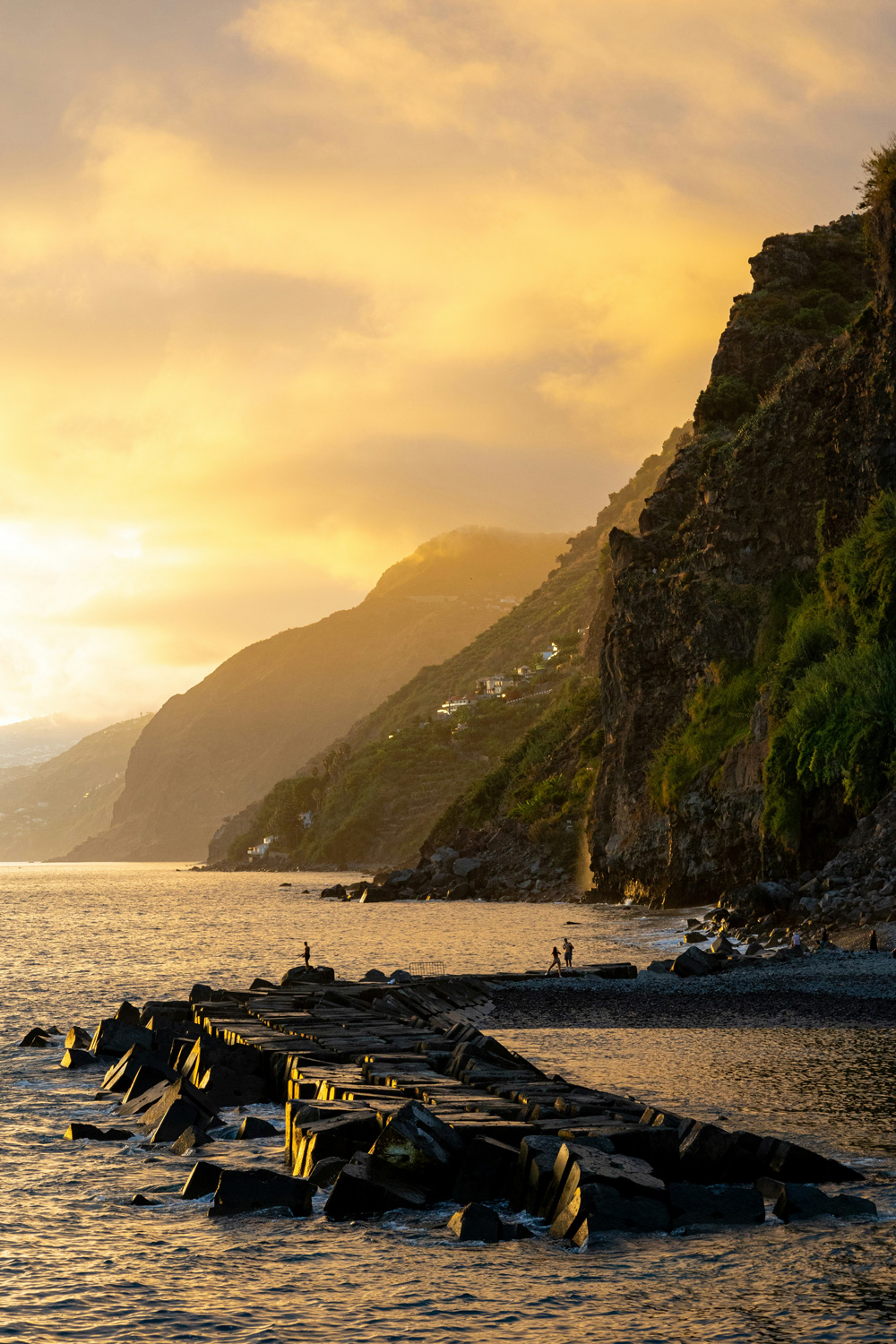
Ponta do Sol ©Mick Kirchman
In the cooler months, landscapes acquire an atmosphere all their own.
2. WALKING THROUGH CLOUD FORESTS AND WATERFALLS
Some of Madeira’s most extraordinary landscapes are best discovered on foot. And in the cooler months, they acquire an atmosphere all their own.
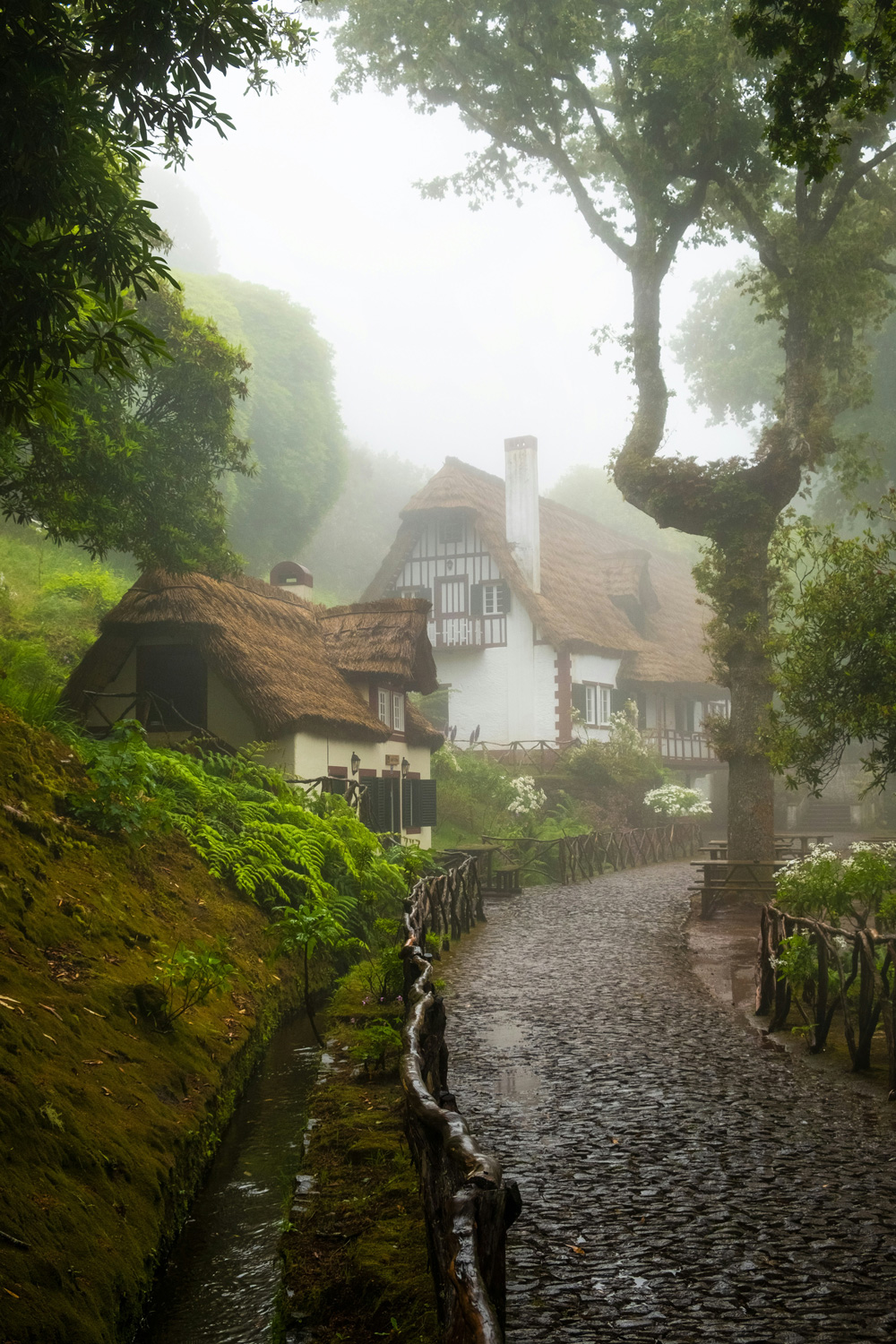
Within the Laurissilva forest, a UNESCO World Heritage Site, moss covers ancient trunks, leaves glisten with moisture and drifting mist transforms woodland paths into something approaching a film set.
Fanal, on the Paul da Serra plateau, is particularly captivating. Its centuries-old trees, sometimes enveloped in thick fog, create a landscape that feels suspended in time.
In the Rabaçal area, trails leading towards the 25 Fontes and Risco waterfalls reveal lush vegetation, watercourses and spectacular scenery. After the first autumn rains, the landscape can be especially vivid.
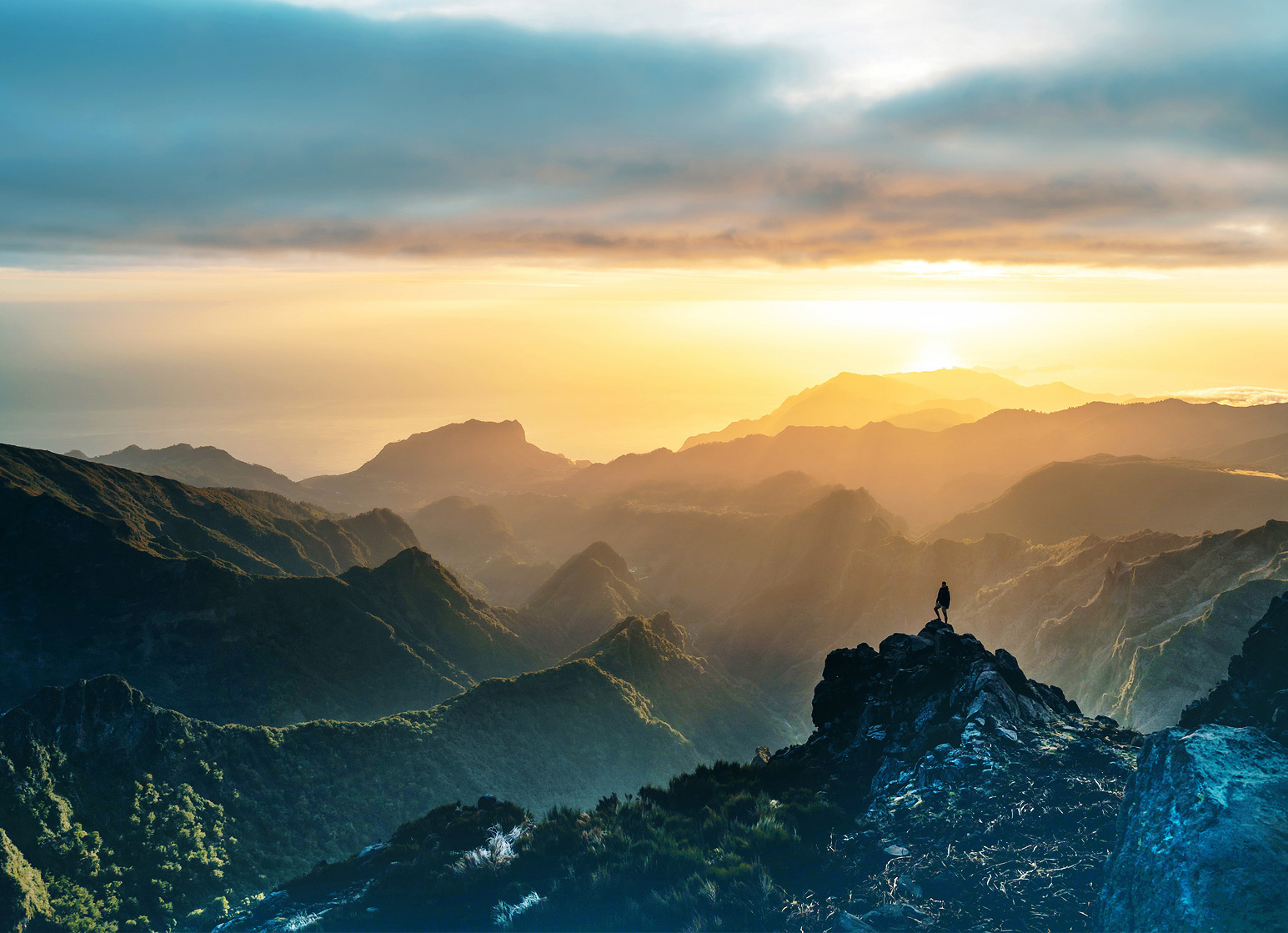
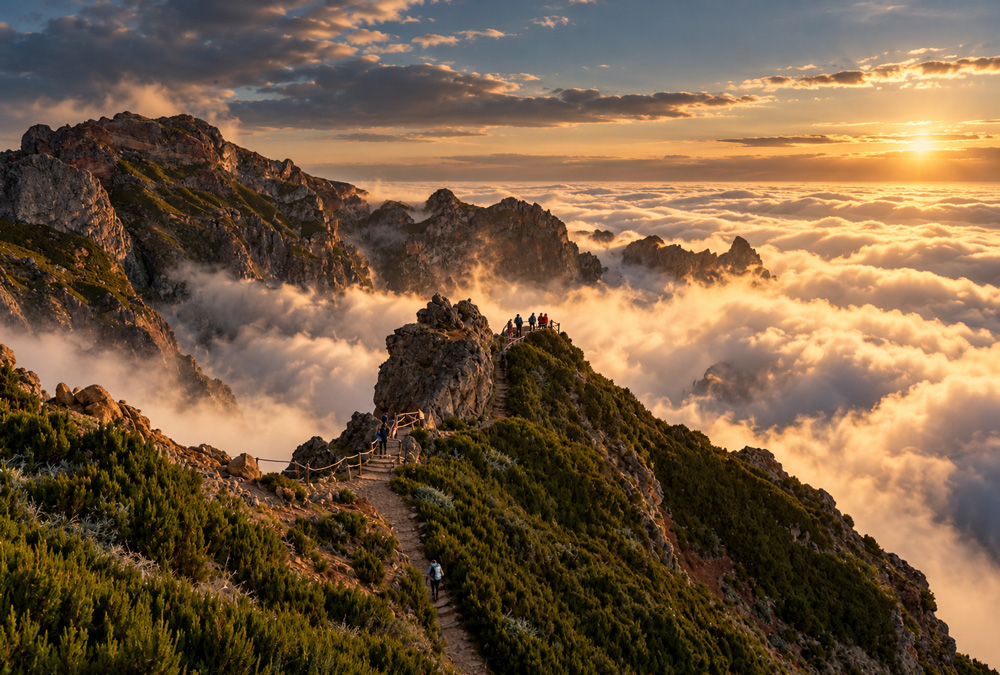
For wider horizons, Pico do Areeiro and Pico Ruivo offer one of Madeira’s great natural spectacles on clear days: a seemingly endless sea of clouds stretching beneath the mountain summits.
Less demanding walks can be equally rewarding. The Balcões viewpoint trail, near Ribeiro Frio, offers impressive mountain views, while Ponta de São Lourenço, on the island’s eastern tip, swaps dense greenery for sculptural cliffs and open Atlantic vistas.
Our tip: let the weather choose your walk. Check trail conditions, mandatory reservations and official access information before setting off. Winter conditions in the mountains can be considerably more challenging than those on the coast.
Some of Madeira's most extraordinary landscapes are best discovered on foot.
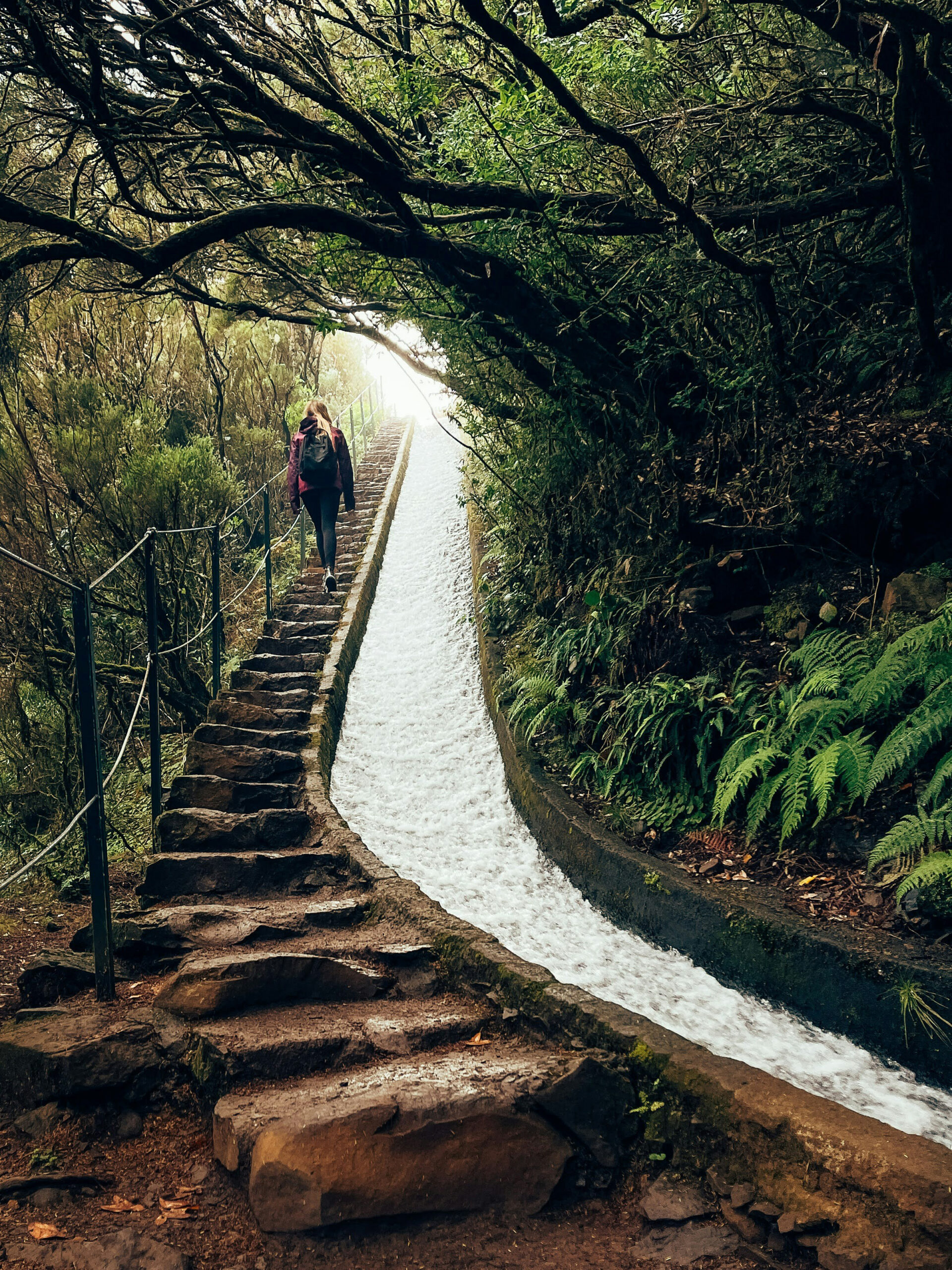
Levada walk ©Philipp Wuthrich
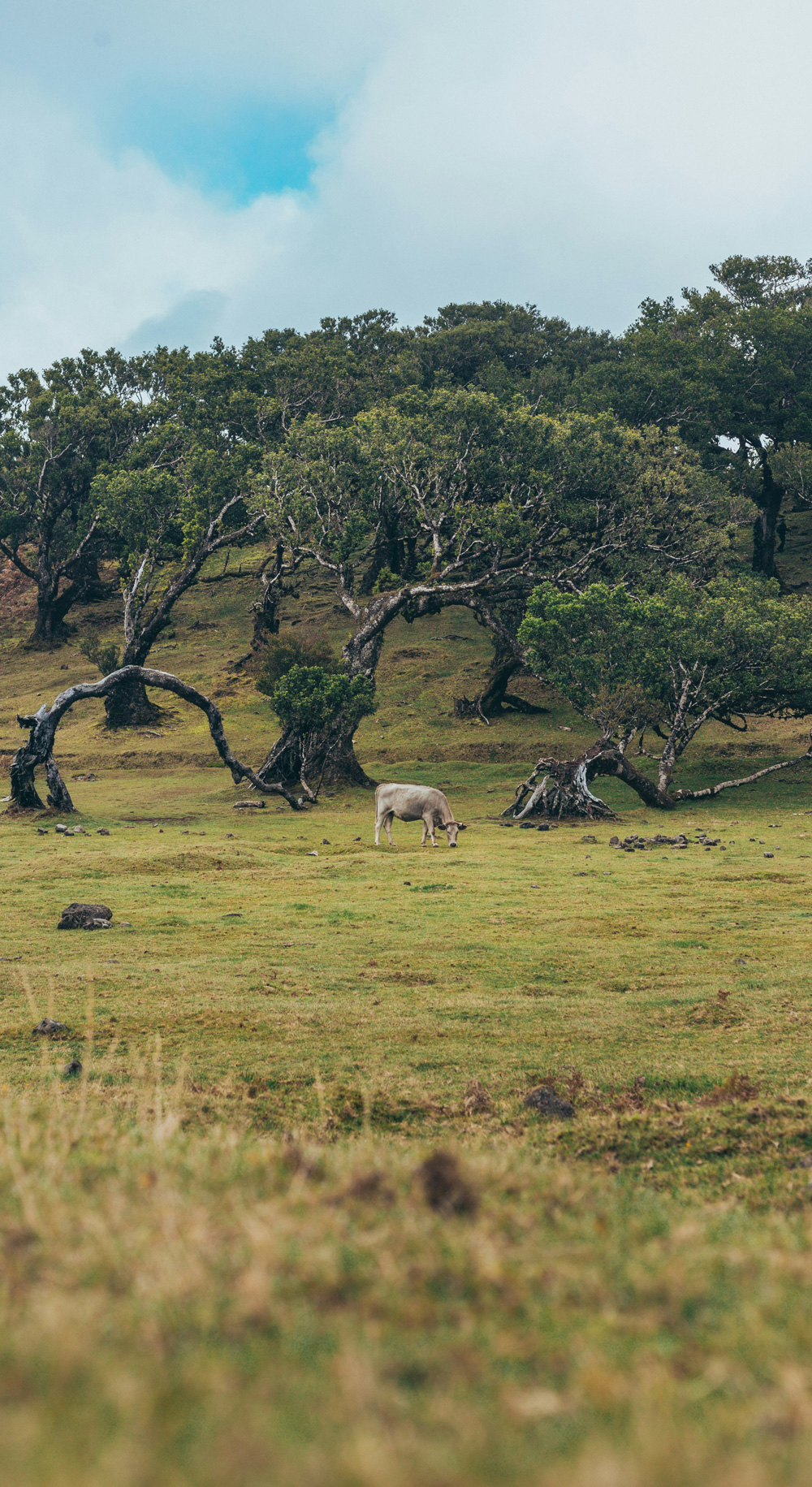
Fanal ©Artem Stoliar
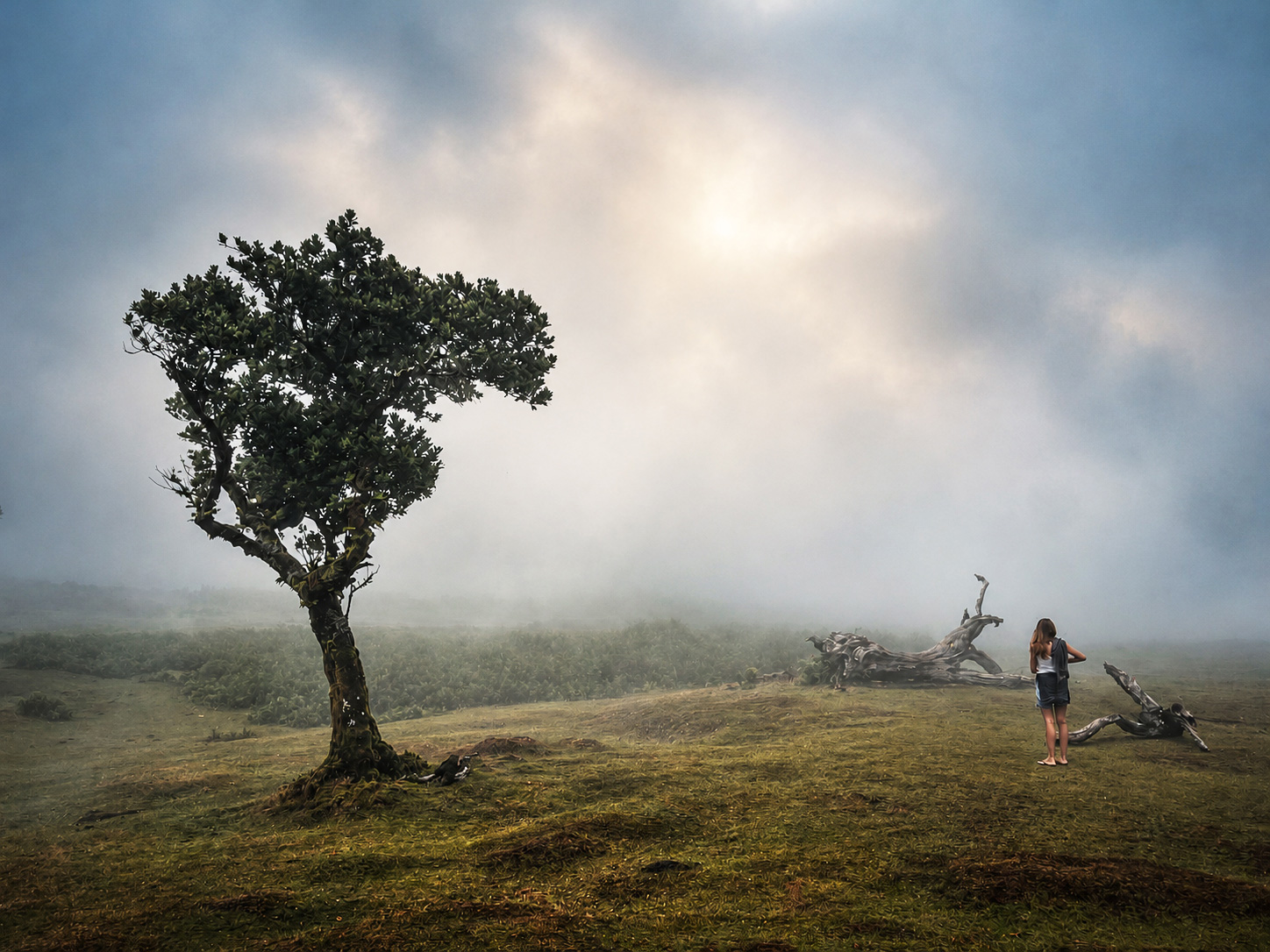
Fanal @Álvaro Reis
Some of Madeira's finest hotels are destinations in themselves, deserving at least one entire day without leaving the grounds.
3. THE ART OF DOING NOTHING: COUNTRY HOUSES, GARDENS AND SPAS
Not every holiday needs an itinerary. Some of Madeira’s finest hotels are destinations in themselves, deserving at least one entire day without leaving the grounds.
At Casa Velha do Palheiro, a 19th-century country house surrounded by the celebrated Palheiro Gardens, the atmosphere is one of discreet, old-world elegance. A member of Relais & Châteaux, the hotel combines beautiful gardens, golf, spa treatments and the exceptional Oxalis restaurant. A stroll among the trees, a leisurely afternoon and dinner here make for a day particularly well spent.
A few minutes from central Funchal, Quinta da Casa Branca offers a different interpretation of island luxury. Contemporary architecture sits within an extensive botanical estate, where tropical plants, winding paths and swimming pools create an unexpected sense of seclusion. Lunch at Casa da Quinta, an afternoon with a book and a walk through the gardens are reason enough to stay put.
Perched above the Atlantic, The Cliff Bay makes the most of its remarkable setting. With ocean views, gardens and spa facilities, it is particularly appealing for a winter escape devoted to rest and relaxation.
In Funchal’s historic centre, Castanheiro Boutique Hotel occupies a collection of restored buildings, complete with inner courtyards and a rooftop pool and jacuzzi. Its Til Spa draws inspiration from Madeira’s natural elements, with treatments incorporating volcanic stones and marine ingredients.
Closer to the sea, Meliá Madeira Mare, beside the Lido promenade, offers contemporary comfort and a dedicated wellness area. Its El Spa features an indoor pool, sauna, Turkish bath, jacuzzi and a selection of treatments, with facilities also available to non-residents under the hotel’s access conditions.
For something more intimate, Quintinha de São João, with its leafy gardens and welcoming country-house atmosphere, is another delightful retreat.
Our tip: devote a whole day to dolce far niente. A late breakfast, a stroll through the gardens, a massage, a few chapters of a good book and dinner without checking the time. Sometimes, the greatest luxury is having no plans at all.
Discover more in our guide to Funchal’s peaceful garden retreats.
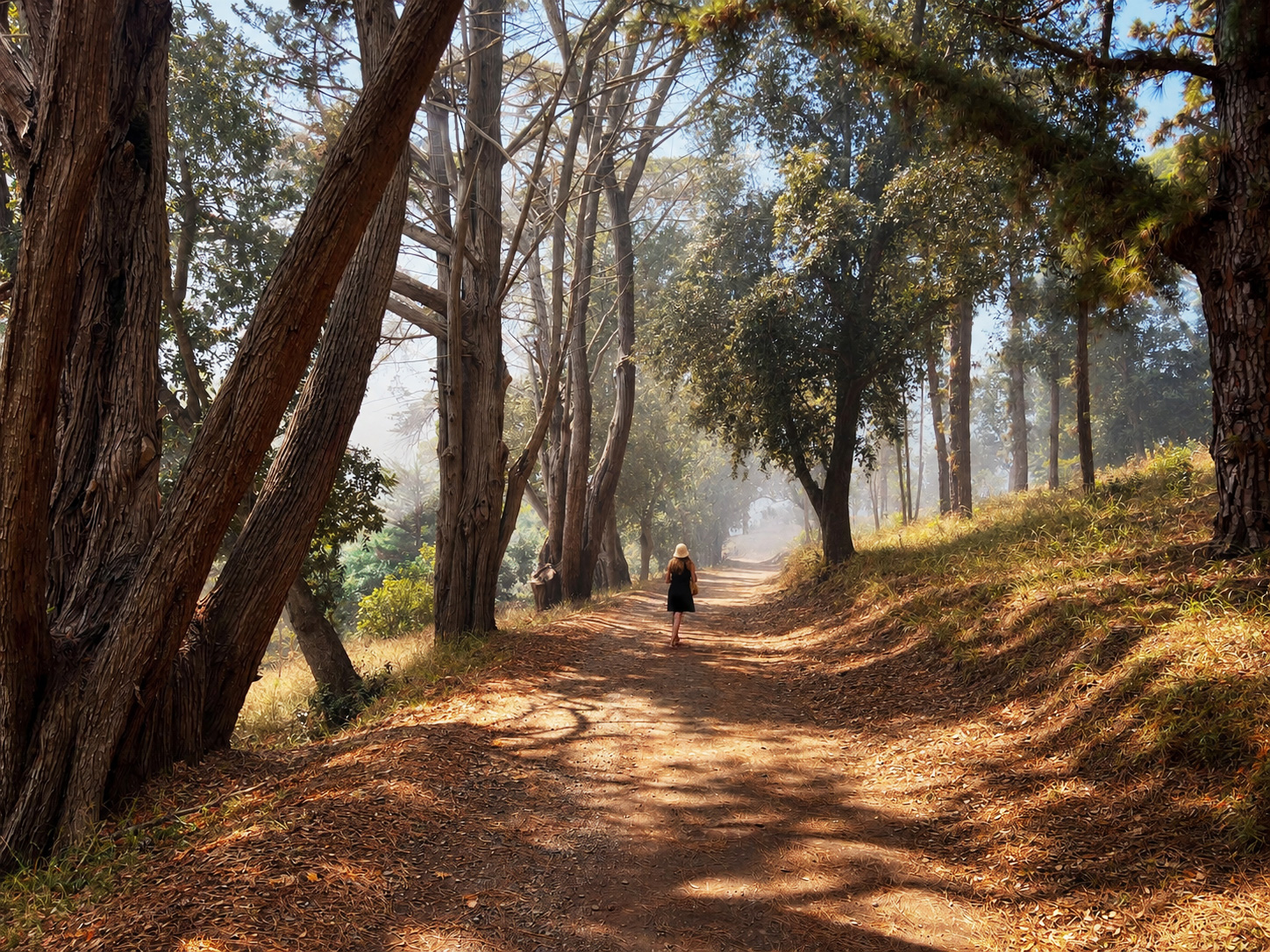
The Casa Velha to Palheiro Trail
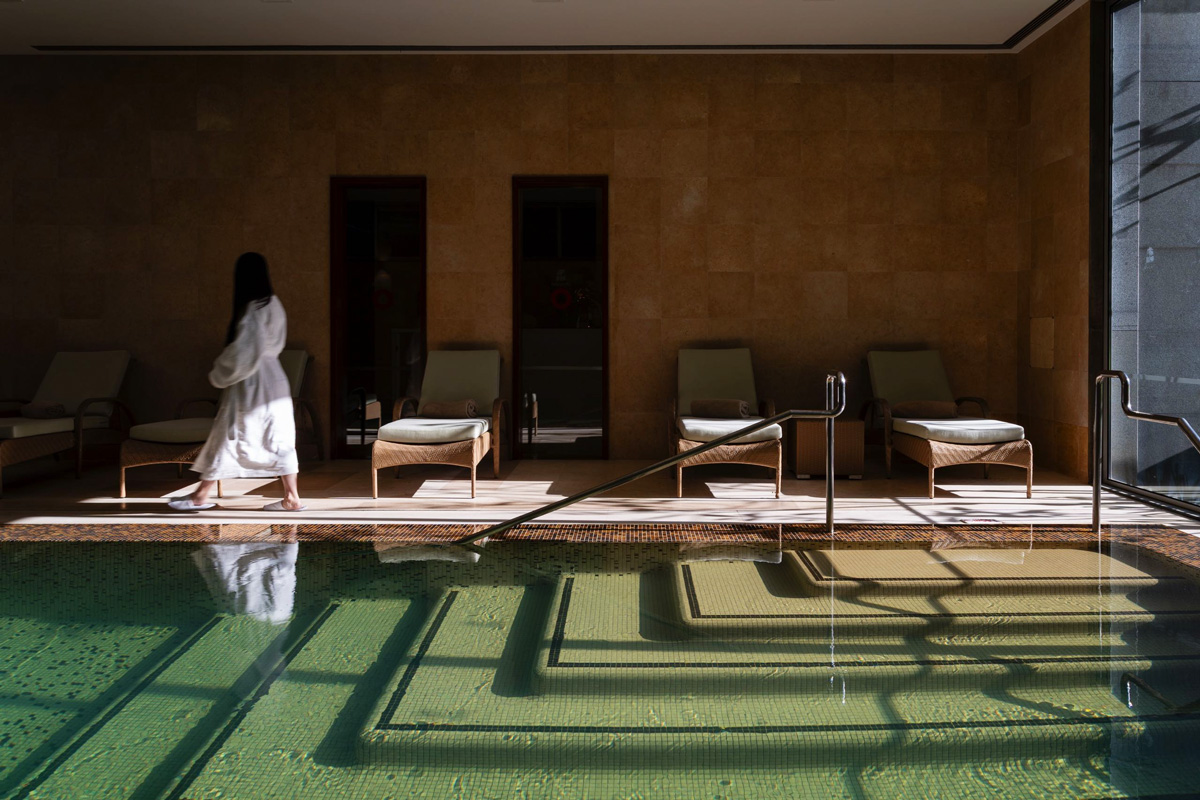
SPA Casa Velha do Palheiro ©JoeeWong
There is something especially satisfying about stepping into a warm, inviting dining room after a day spent between the mountains and the sea.
4. RESTAURANTS WORTH LINGERING IN
There is something especially satisfying about stepping into a warm, inviting dining room after a day spent between the mountains and the sea. Madeira has plenty of restaurants made for precisely that moment.
At Casa Velha do Palheiro, Oxalis offers an intimate dining experience shaped by the surrounding gardens and changing seasons. Chef Gonçalo Bita Bota draws on local ingredients, aromatic herbs and seasonal produce to create a cuisine closely connected to its setting. An excellent choice for a special evening.
At Quinta da Casa Branca, two restaurants offer distinct experiences. Casa da Quinta, Bistro & Wine Bar, housed in a 19th-century building, is ideal for a leisurely lunch or an early evening drink overlooking the gardens. The Dining Room, set within the historic manor house, offers a more formal gastronomic experience in an elegant, intimate setting.
In the heart of Funchal, Armazém do Sal occupies a historic building associated with the city’s trading past. Its characterful interiors and contemporary cooking make it a particularly inviting choice for an evening that deserves to last a little longer.
For a different sort of occasion, Desarma, on the top floor of The Views Baía, pairs chef Octávio Freitas’s inventive interpretation of Madeiran flavours with sweeping views over Funchal. After dark, the illuminated city provides an impressive backdrop.
Beyond the capital, Abrigo do Pastor, in the hills near Camacha, offers a more rustic atmosphere. Wooden interiors, traditional influences and hearty regional cooking make it an appealing stop on a cooler day, particularly after a morning exploring the countryside.
Back in central Funchal, O Celeiro retains the charm of a traditional restaurant, with regional dishes and a dining room that feels reassuringly timeless.
Our tip: alternate between contemporary fine dining and the island’s more traditional tables. Madeira can be just as revealing through a tasting menu as through a perfectly cooked espetada, served with fried maize and a glass of local wine.
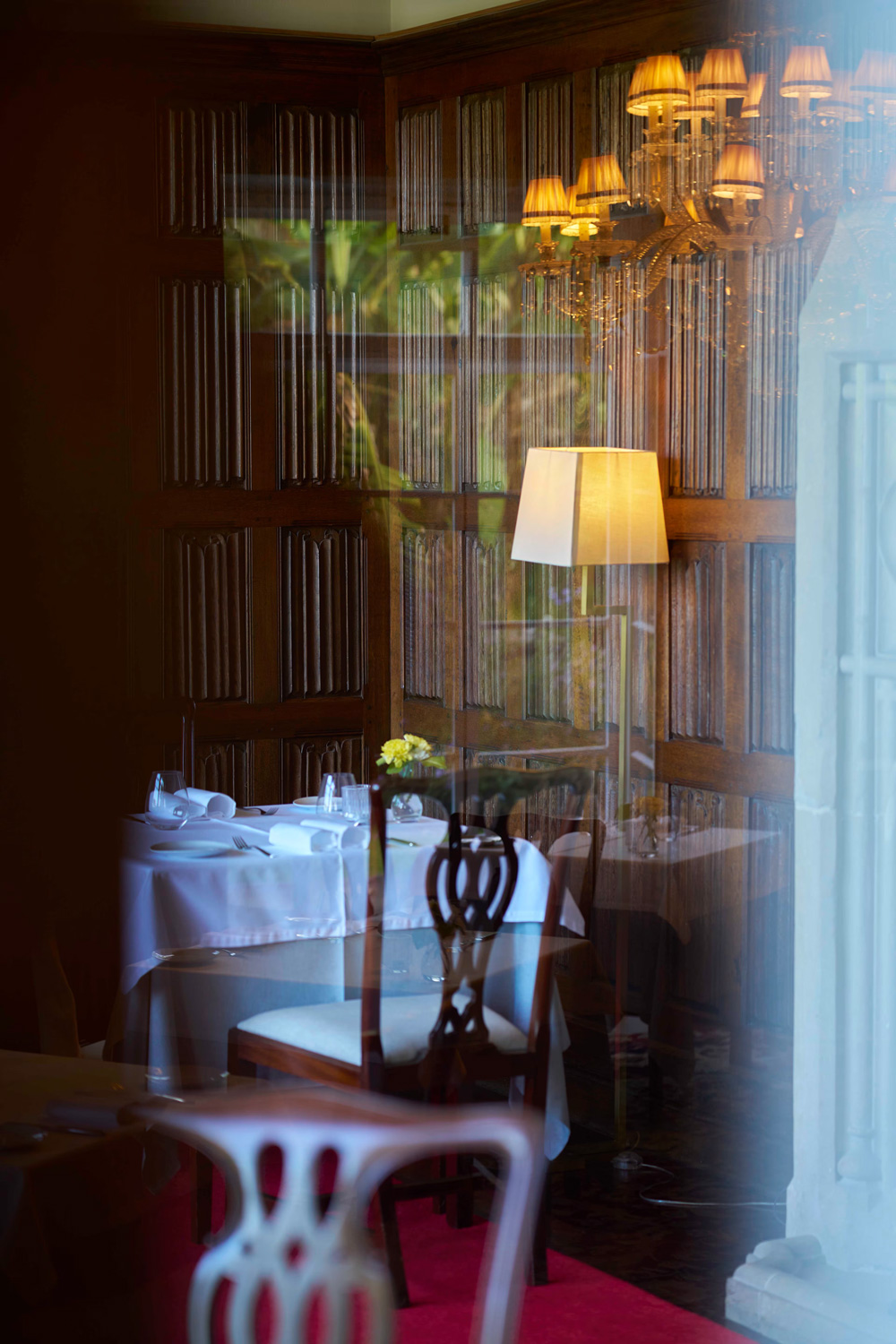
Dinning room, Quinta da Casa Branca
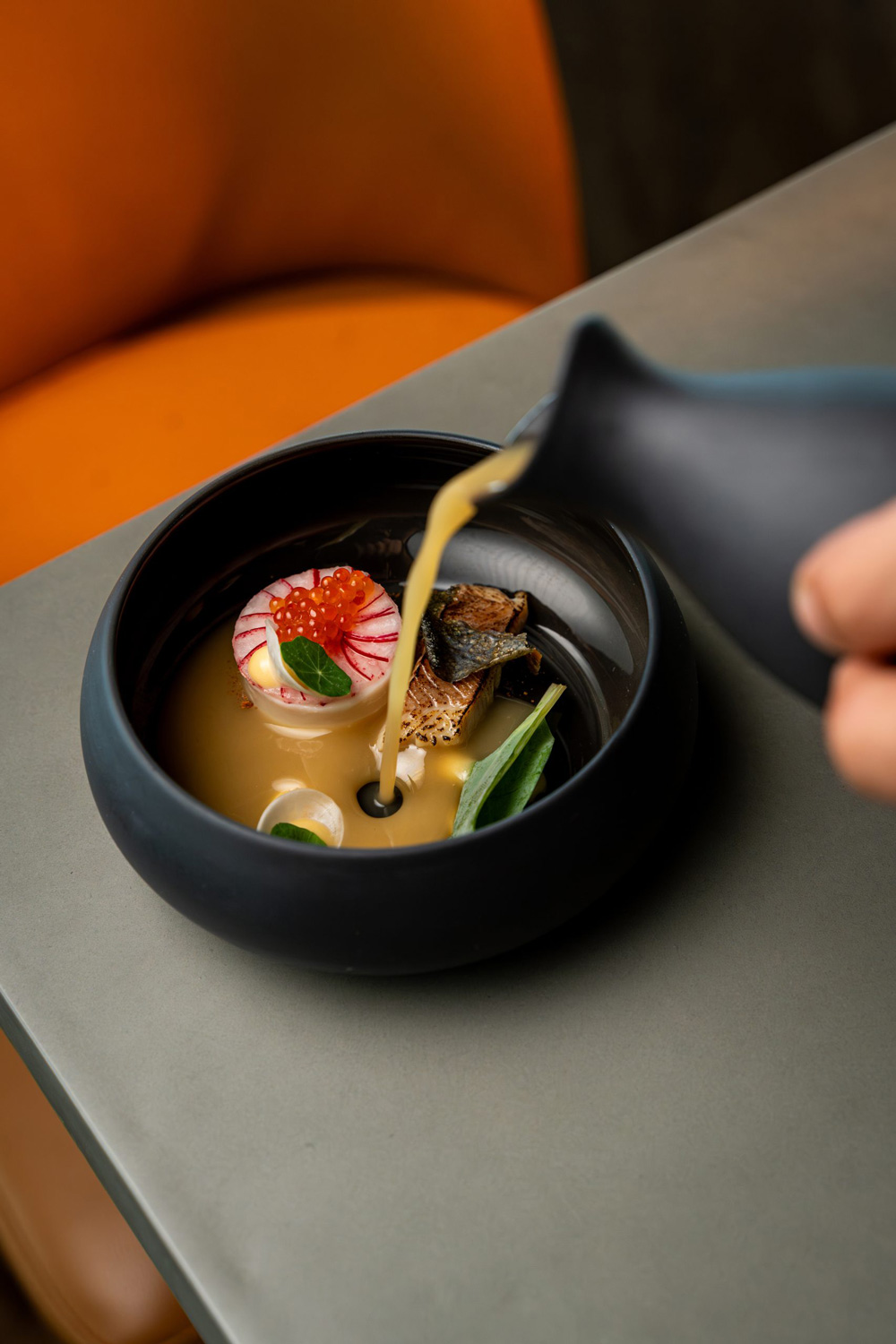
Seixal Trout, Desarma Restaurant
There are days when you feel like wandering around the city with no particular destination in mind.
5. FUNCHAL, ONE UNHURRIED DAY AT A TIME
Funchal is a city that rewards curiosity rather than haste.
Begin on Avenida Arriaga, wander through the historic centre and browse the Mercado dos Lavradores before heading towards the colourful streets of the Old Town and the waterfront.
Should the weather turn, step inside the Madeira Photography Museum — Atelier Vicente’s, housed in a historic photographic studio, or visit the Sacred Art Museum, home to an important collection of Flemish paintings.
On brighter days, take the cable car up to Monte and explore Monte Palace Tropical Garden, where ornamental gardens, artworks and lush vegetation create a wonderfully unexpected landscape.
The Madeira Botanical Garden is another place worth lingering. Its remarkable variety of plants, terraces and views over Funchal help explain why the island has long attracted botanists, gardeners and curious travellers.
Our tip: give Funchal a day without a strict timetable. A museum in the morning, lunch in the old town, an afternoon among the gardens and a drink as the light fades over the harbour.
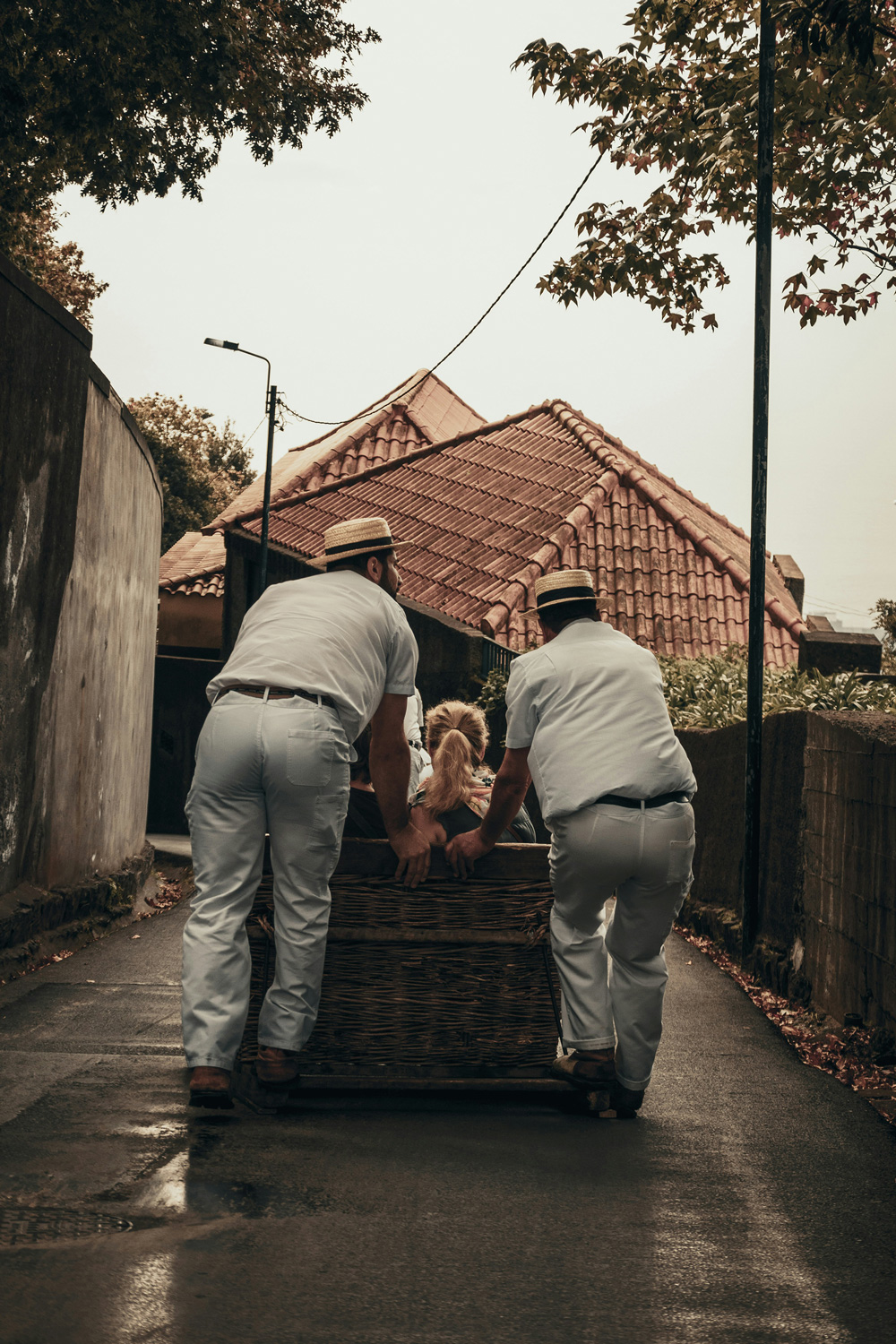
Basket trolleys ©Shana Van Roosbroek
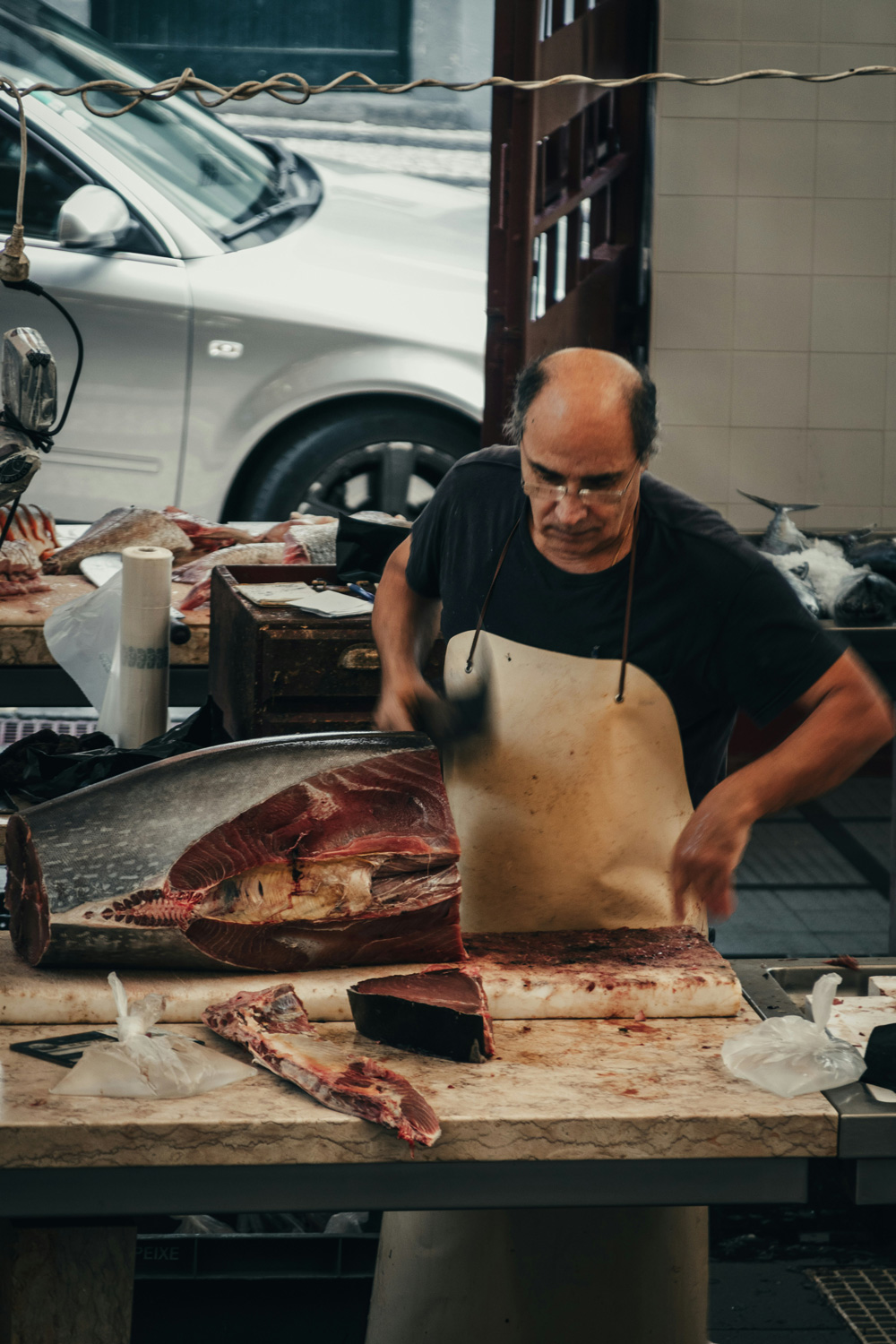
Mercado dos Lavradores ©Shana Van Roosbroek
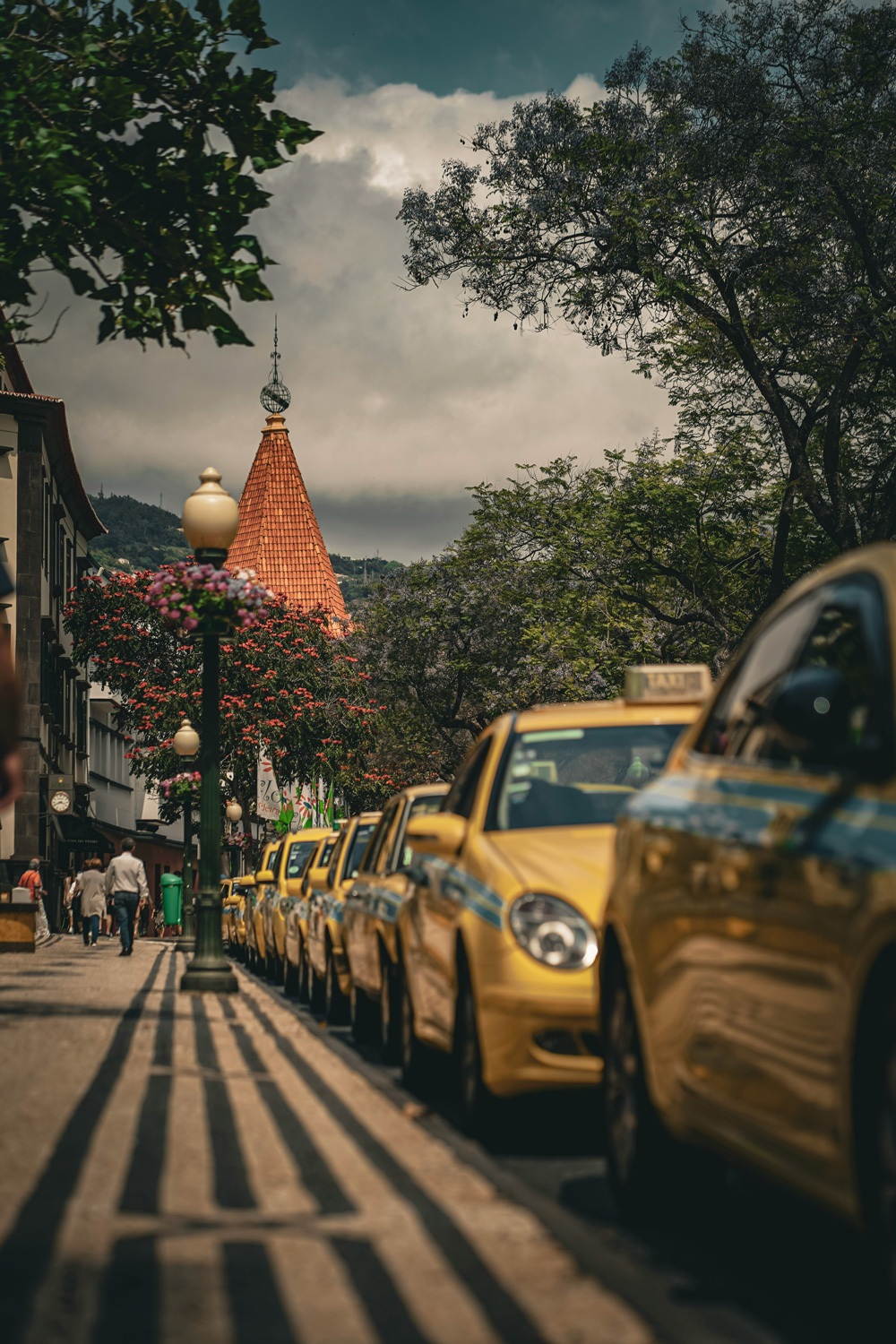
Funchal © Illia Panasenko
On brighter days, take the cable car up to Monte and explore Monte Palace Madeira, where ornamental gardens, artworks and lush vegetation create a wonderfully unexpected landscape.
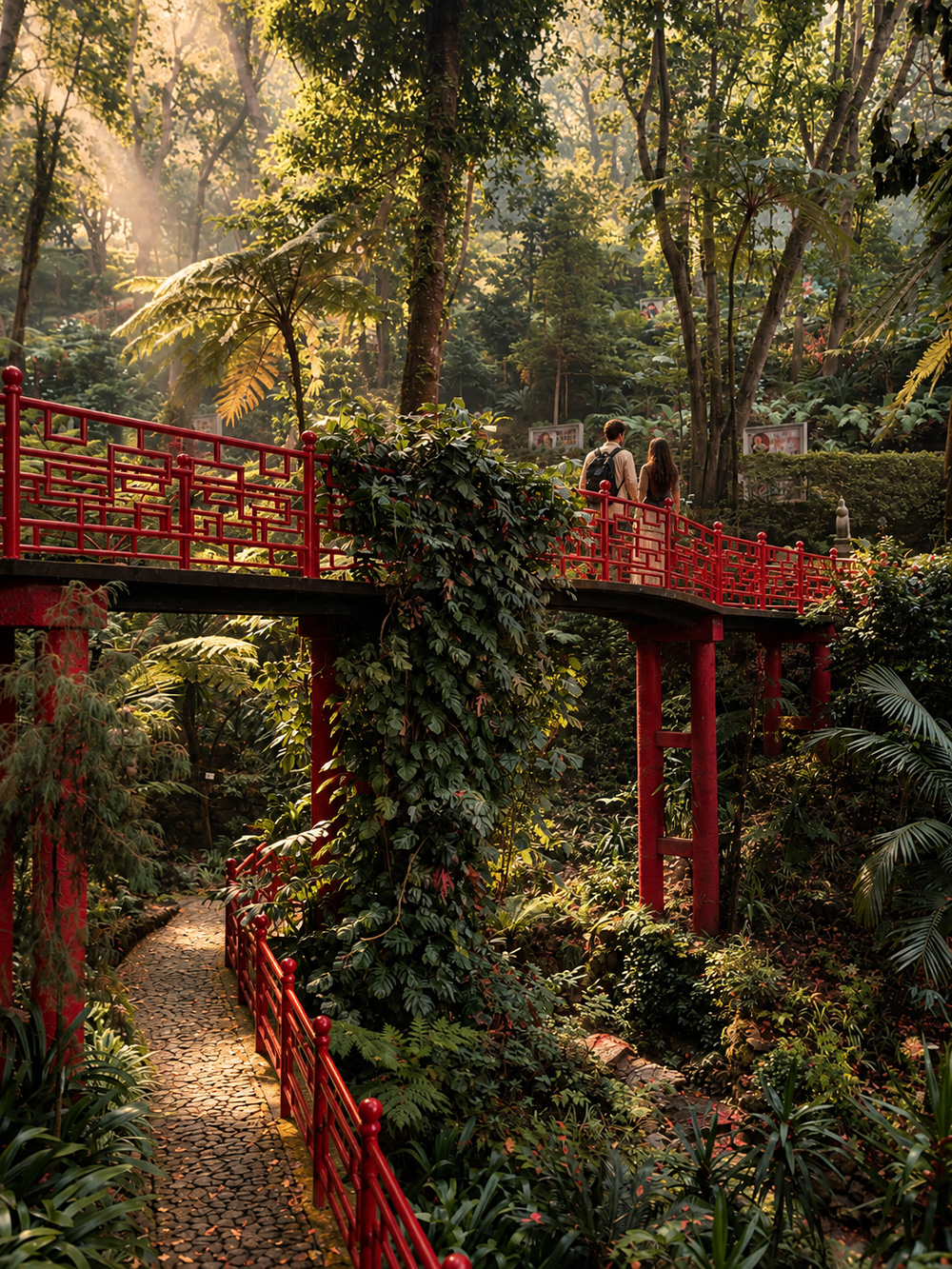
Monte Palace Tropical Garden
6. MADEIRA WINE: A STORY BEST SAVOURED SLOWLY
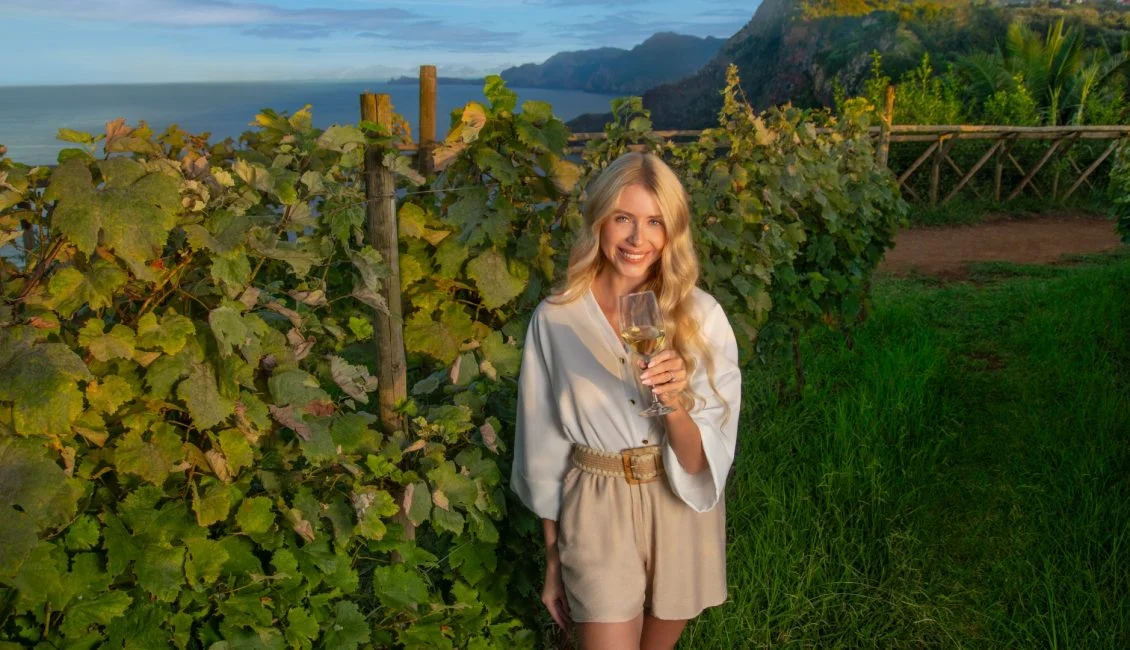
A rainy afternoon is an excellent excuse to step inside a wine lodge.
In central Funchal, Blandy’s Wine Lodge offers an introduction to one of the world’s most distinctive fortified wines. Historic ageing rooms, wooden casks and guided tastings reveal a tradition shaped by centuries of maritime trade and craftsmanship.
There is more to discover beyond the city centre. Henriques & Henriques, in Câmara de Lobos, and Justino’s, another of the island’s historic producers, are important names in Madeira’s winemaking heritage.
Compare the drier styles with the richer, sweeter expressions, learn about the grape varieties and discover why the ageing process gives Madeira wine its remarkable character.
And don’t assume it belongs only at the end of a meal. The right pairing can make it a fascinating companion to savoury dishes too.
Our tip: book a guided tasting rather than simply dropping in for a glass. Madeira wine is as much a story of the island’s people and history as it is of what is in the bottle.
A rainy afternoon is an excellent excuse to step inside a wine lodge.
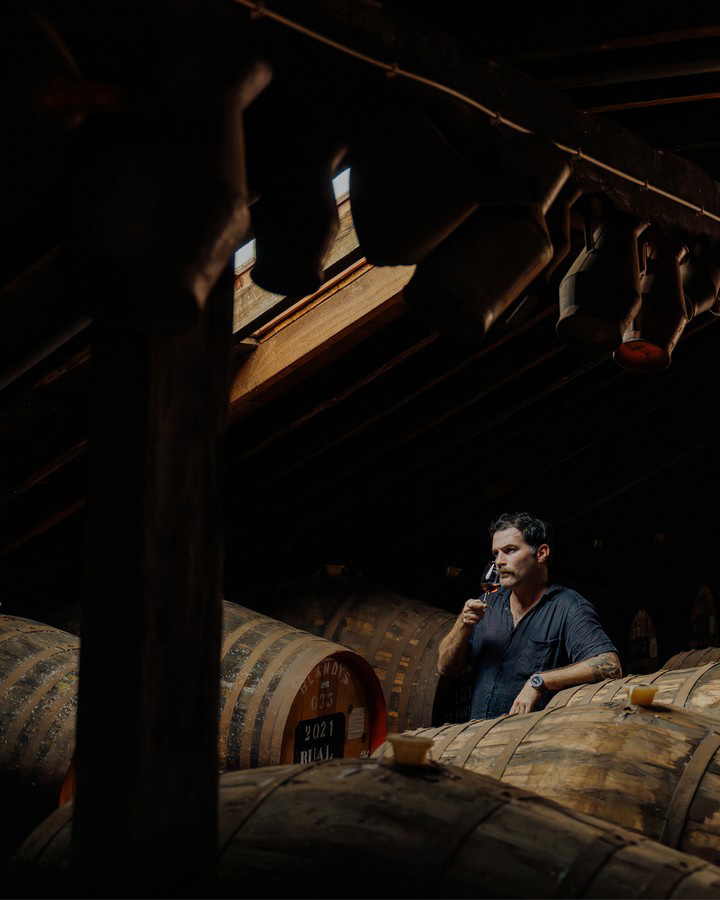
Blandy’s Wine Lodge
Madeira's northern coast is spectacular at any time of year.
7. THE NORTH COAST, WHERE WINTER HAS A DRAMATIC SIDE
Madeira’s northern coast is spectacular at any time of year. In the cooler months, it can be positively cinematic.
Mountains seem to plunge straight into the Atlantic, clouds sweep across steep green slopes and the ocean, sometimes wild and restless, becomes part of the spectacle.
Begin in São Vicente before heading towards Seixal, where a black-sand beach sits beneath towering mountains. Continue to Porto Moniz, whose natural swimming pools, formed by volcanic rock, offer one of the island’s most distinctive coastal landscapes.
When the sea is rough, these are places to admire rather than swim in. Always respect local warnings and keep a safe distance from breaking waves.
Along the way, make time for small villages, viewpoints and traditional restaurants. On this stretch of coast, the journey is every bit as rewarding as the destination.
If conditions allow, continue towards Achadas da Cruz, where a cable car descends an almost vertical hillside to a remote coastal settlement.
Our tip: resist the temptation to see the entire north coast in a single day. Choose a few stops and give each the attention it deserves.
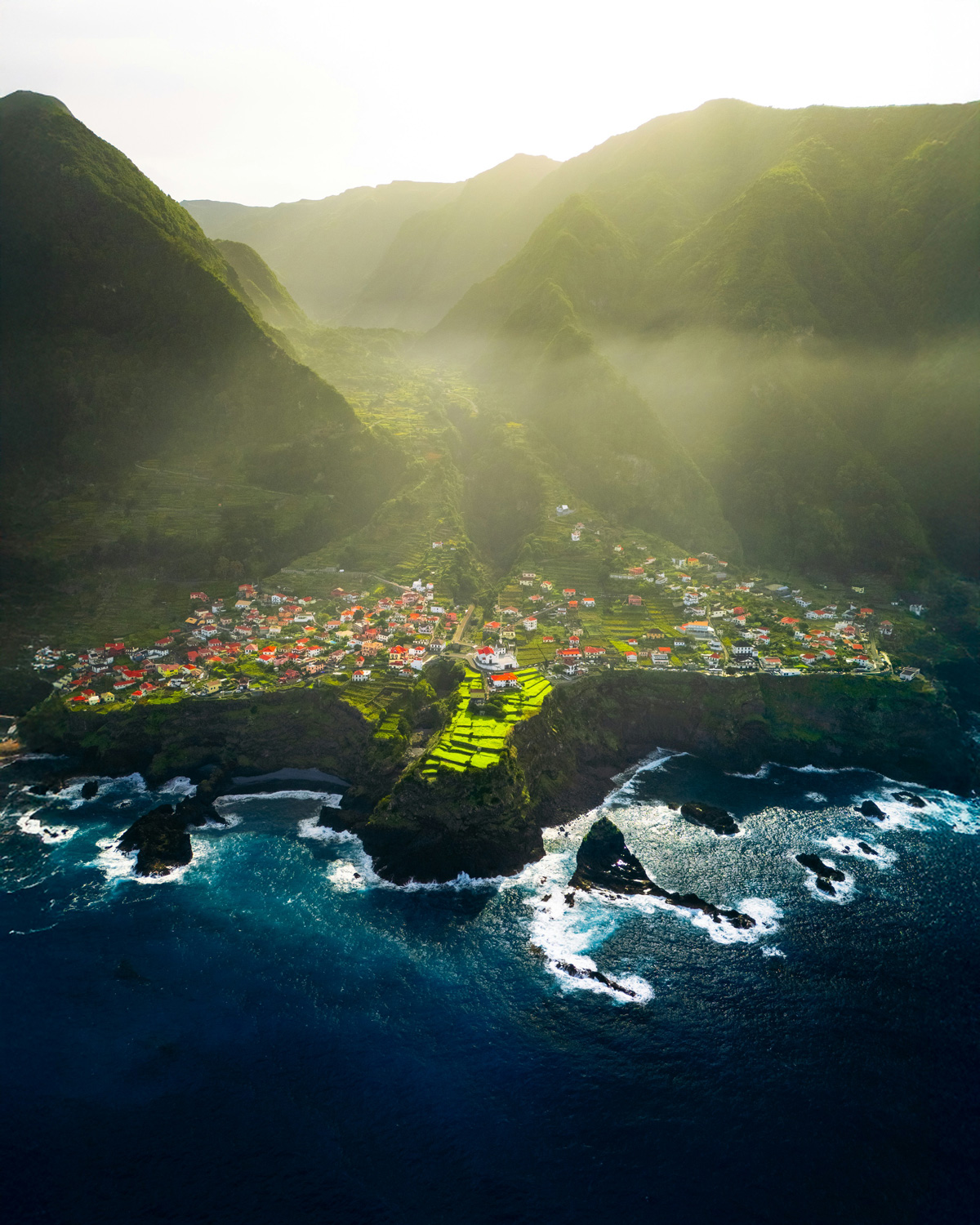
Seixal ©Maciej Marko
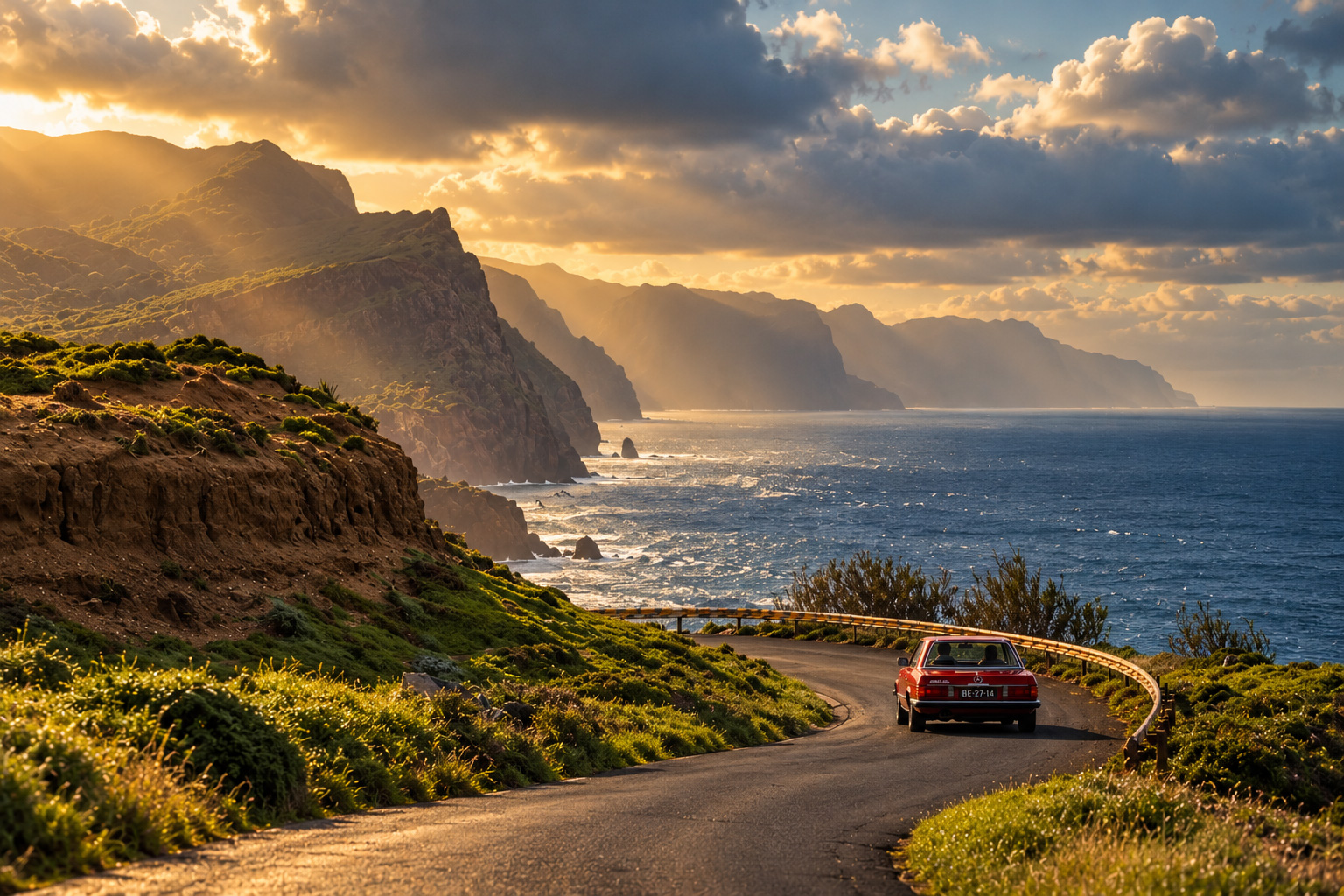
Coastal road
8. THE ATLANTIC DOESN’T CLOSE FOR WINTER
Winter need not mean giving up the sea.
When conditions are favourable, boat trips offer a different perspective on Madeira’s dramatic coastline, with opportunities to spot dolphins and whales in the waters surrounding the island.
Operators such as VMT Madeira, Seaborn and Gavião da Madeira offer different ways to experience the Atlantic, from coastal cruises to dedicated cetacean-watching excursions.
Porto Santo is another possibility. Away from the summer crowds, its long stretch of golden sand becomes a wonderful place for walks, cycling or simply enjoying the quiet beauty of the coast.
Ferry crossings depend on sea conditions and operating schedules, so a little flexibility is essential.
Our tip: keep one day open for a maritime adventure. If the sea has other plans, there is always a coastal village, a museum or a particularly good restaurant waiting to be discovered.
Madeira continues to offer maritime experiences for much of the year.
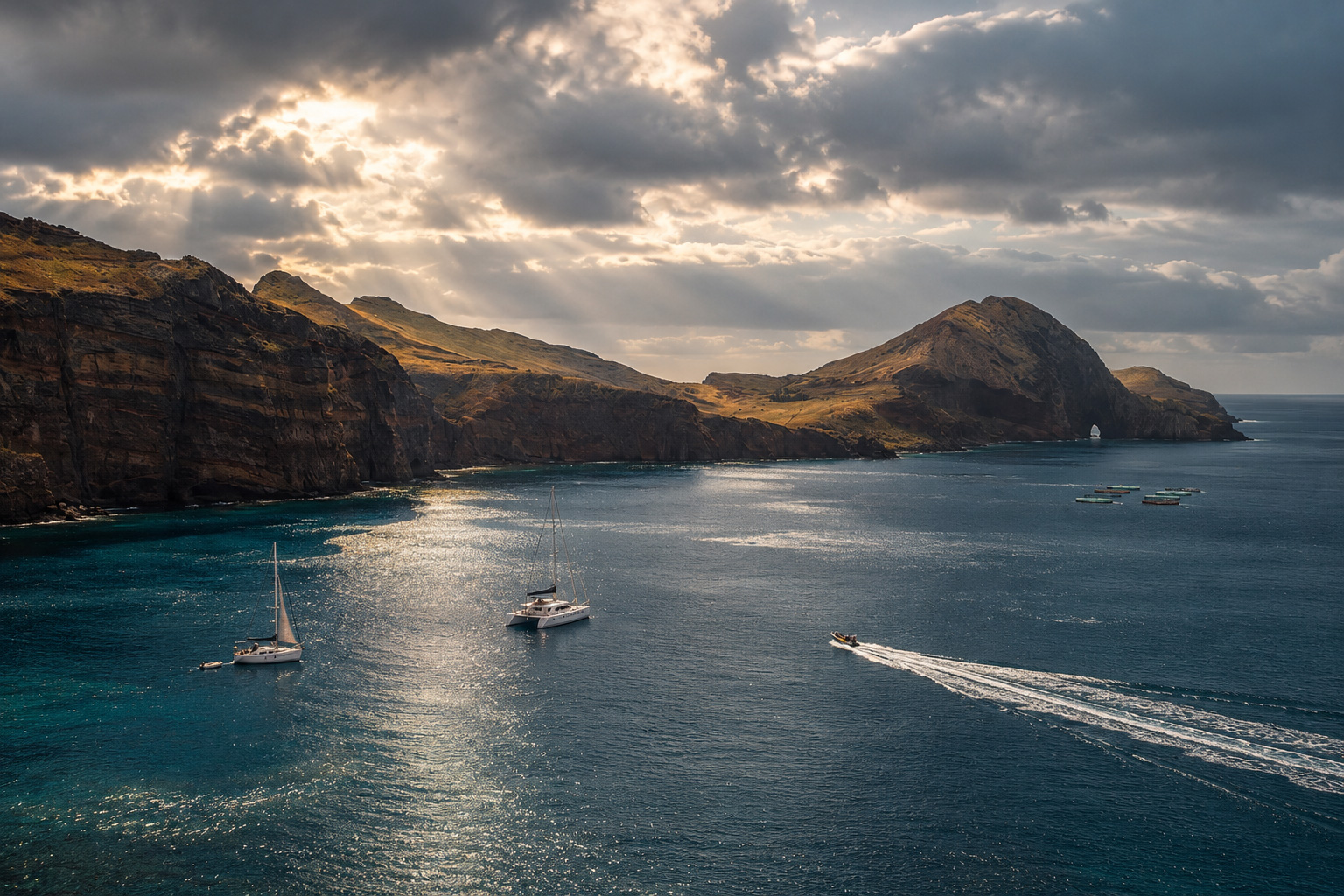
São Lourenço Point
The true spirit of Christmas in Madeira lies in its traditions.
9. CHRISTMAS AND NEW YEAR: WHEN MADEIRA PUTS ON A SHOW
There is one time of year when Madeira sets aside its quieter rhythm and embraces celebration on a grand scale.
Christmas is deeply woven into the island’s identity. From the beginning of December, Funchal is transformed by elaborate illuminations, music and festive markets. Thousands of lights spread across the city’s natural amphitheatre, turning the hillsides into a vast illuminated landscape.
Yet the most memorable traditions are often the most local.
The Missas do Parto, early-morning masses held in the days leading up to Christmas, bring communities together in churches across the island. Afterwards, the celebrations continue outside with music, homemade liqueurs and sandwiches filled with carne de vinha-d’alhos, Madeira’s traditional wine-and-garlic-marinated pork.
On 23 December, Noite do Mercado, or Market Night, draws crowds to the Mercado dos Lavradores and surrounding streets. Part last-minute Christmas shopping, part street celebration, it is an evening of music, food, reunions and unmistakably Madeiran good cheer.
Seasonal specialities add to the atmosphere: honey cake, traditional biscuits, carne de vinha-d’alhos and family recipes passed down through generations.
A NEW YEAR’S EVE THAT LIGHTS UP THE ATLANTIC
If Christmas reveals Madeira at its most traditional, New Year’s Eve is when the island becomes truly spectacular.
On 31 December, Funchal’s bay turns into a vast natural amphitheatre. As midnight approaches, the city’s lights trace the contours of the hills, ships illuminate the harbour and thousands of people gather on terraces, in restaurants, at viewpoints and along the waterfront.
Then, at midnight, fireworks erupt across the bay, filling the sky with colour and reflecting in the Atlantic below.
What makes the occasion extraordinary is not simply the scale of the display, but its setting: the illuminated city, the mountains rising behind it, the ocean stretching into darkness and the collective anticipation of a new year.
Madeira’s celebrations earned a Guinness World Records distinction in 2006 for the world’s largest fireworks display, and New Year’s Eve remains one of the island’s defining annual events.
There are several ways to experience it. Book a special dinner at a hotel overlooking the bay, watch from a boat, find a viewpoint above the city or join the crowds along the seafront.
Those seeking a quieter celebration can choose one of the island’s hotels or country-house retreats, where festive dining and live music offer a more intimate alternative.
For the 2026–27 season, Madeira’s official Christmas and New Year festivities run from 1 December to 10 January, extending the celebrations well beyond New Year’s Day.
Our tip: book accommodation and New Year’s Eve dining well in advance, particularly if a view of the fireworks is a priority. And stay a little longer. Once the celebrations end, the island settles back into its gentler winter rhythm.
THE PLEASURE OF DISCOVERING MADEIRA AT YOUR OWN PACE
Perhaps the greatest pleasure of visiting Madeira outside summer is the freedom to decide what each day should become.
A morning walk through the forest can end beside a heated pool. A sunny afternoon might call for lunch overlooking the Atlantic; a cooler one for a wine tasting or a long dinner in a welcoming restaurant.
There is no need to choose between nature, culture, food and relaxation. In Madeira, they are all close enough to belong to the same journey.
And there is something rather satisfying about discovering that, while much of Europe is deep in winter, you can still spend an afternoon in the sunshine.
Madeira doesn’t need summer to be an exceptional destination. That may be one of its finest qualities.
Perhaps the greatest pleasure of visiting Madeira outside summer is the freedom to decide what each day should become.
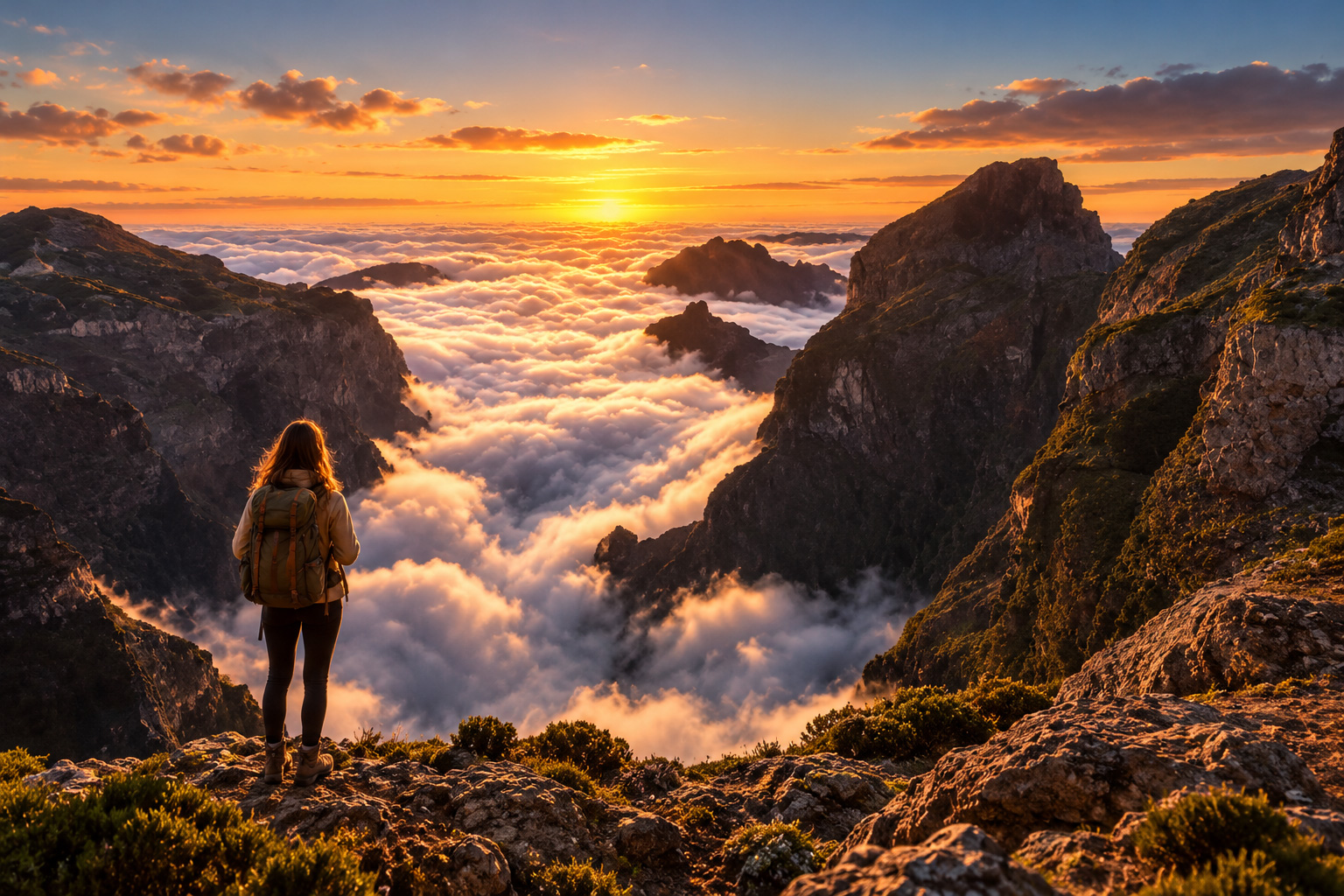
Pico do Arieiro
Keep Exploring Madeira
There’s always more to discover in Madeira, whatever the season. Explore the Find Madeira edit, a carefully curated selection of places to visit, eat, stay, explore, shop and enjoy after dark.
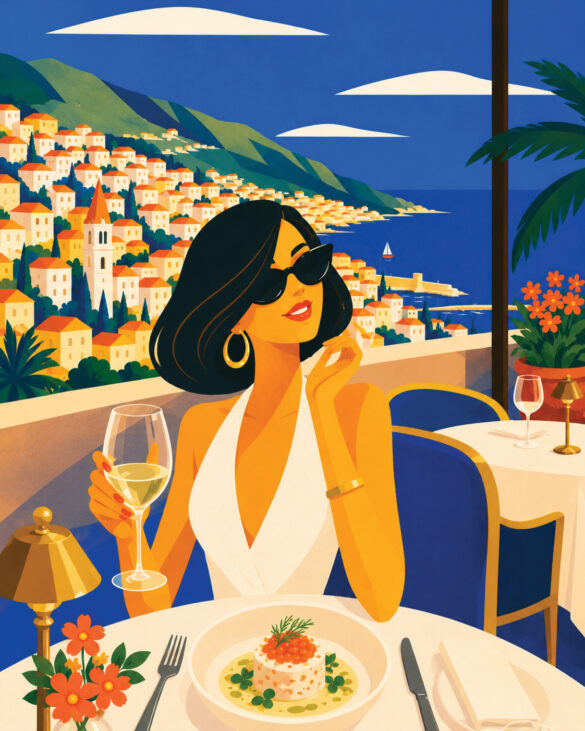
Where to eat
Island flavours, from traditional to contemporary, rooted in local produce and Atlantic identity.
See restaurant recommendations in Madeira

Things to do
Levadas, ocean and mountains — experiences that reveal Madeira at its most authentic.
See Things to do recommendations in Madeira
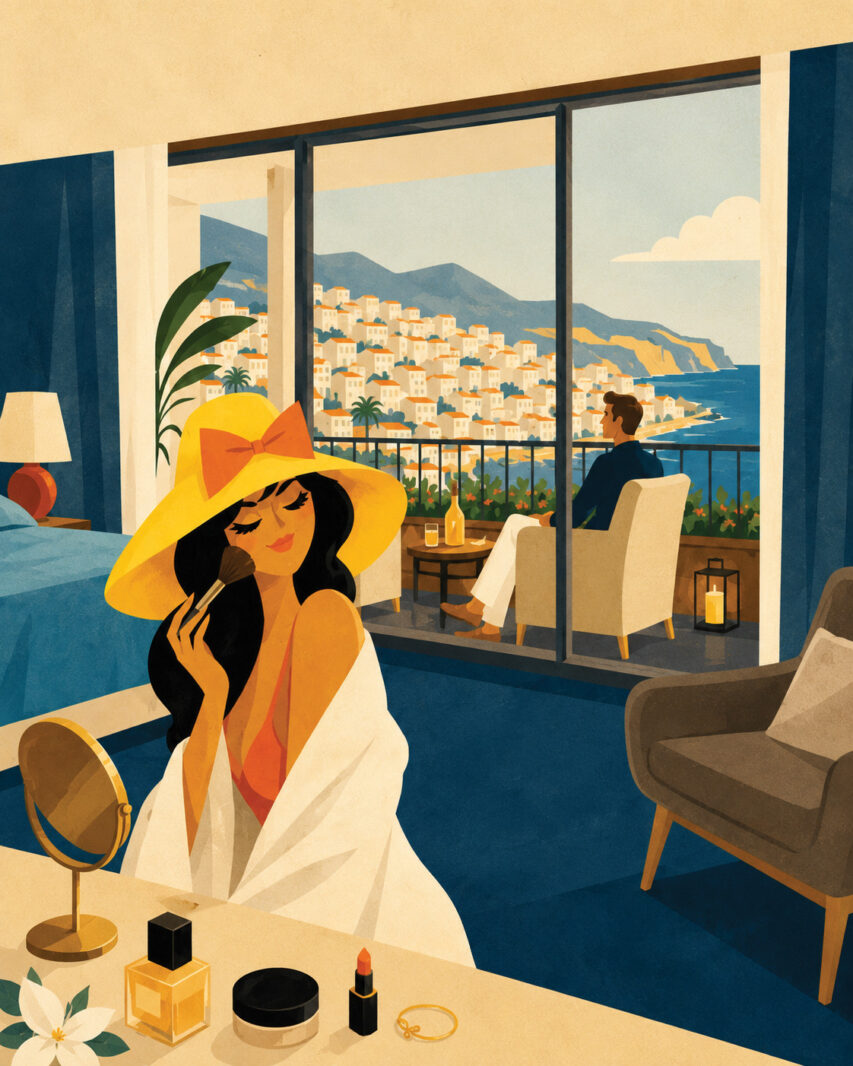
Where to stay
Hotels, quintas and retreats where silence and landscape shape the experience.
See hotel recommendations in Madeira
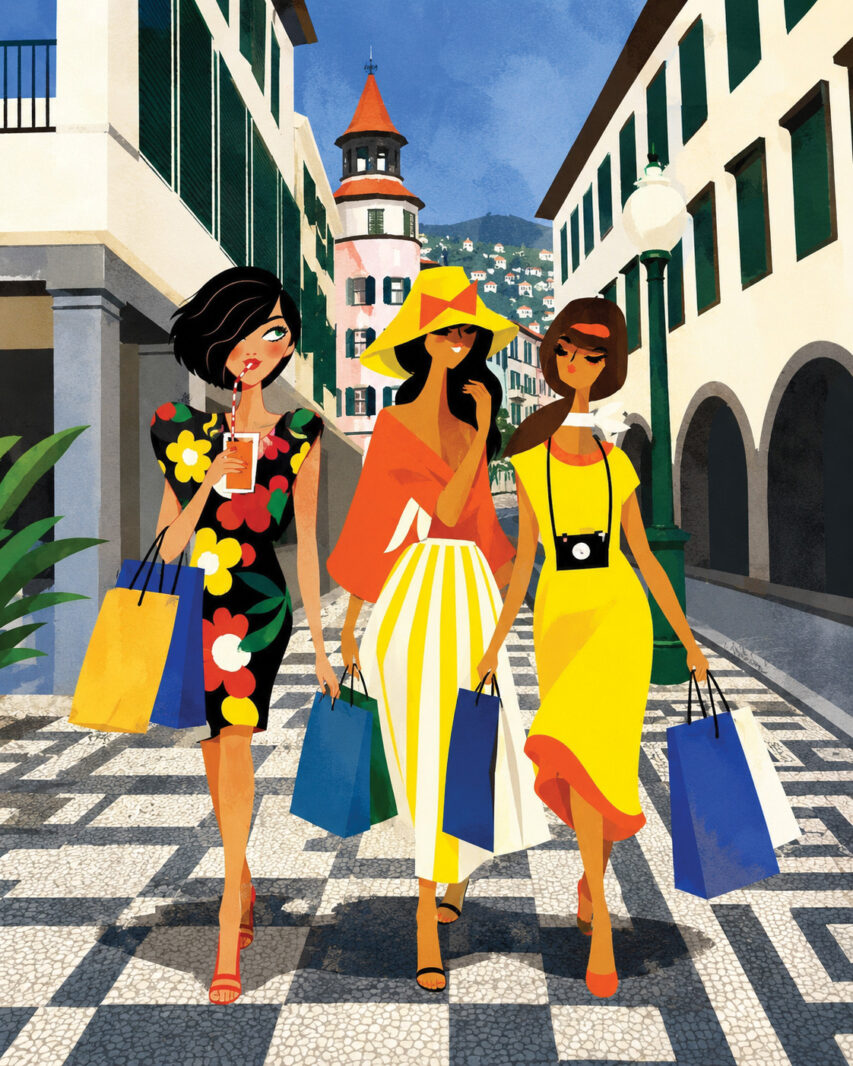
Shopping
Madeira wine, local-flavoured chocolates, embroidery and crafts with character and identity.
See shopping recommendations in Madeira
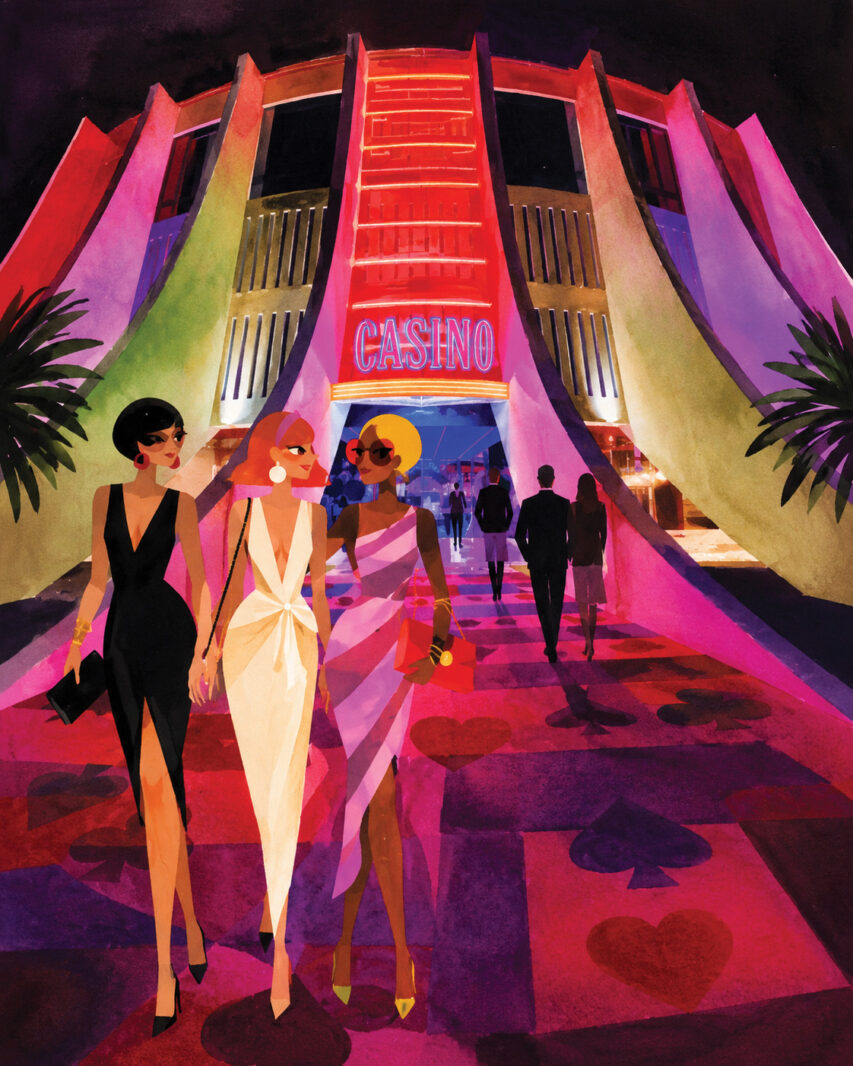
Nightlife
Bars, rooftops and discreet spaces where the night unfolds at a slower pace.